Scientific progress and preservation clash in demolition of Curie building
DOI: 10.1063/pt.cfzr.ilze

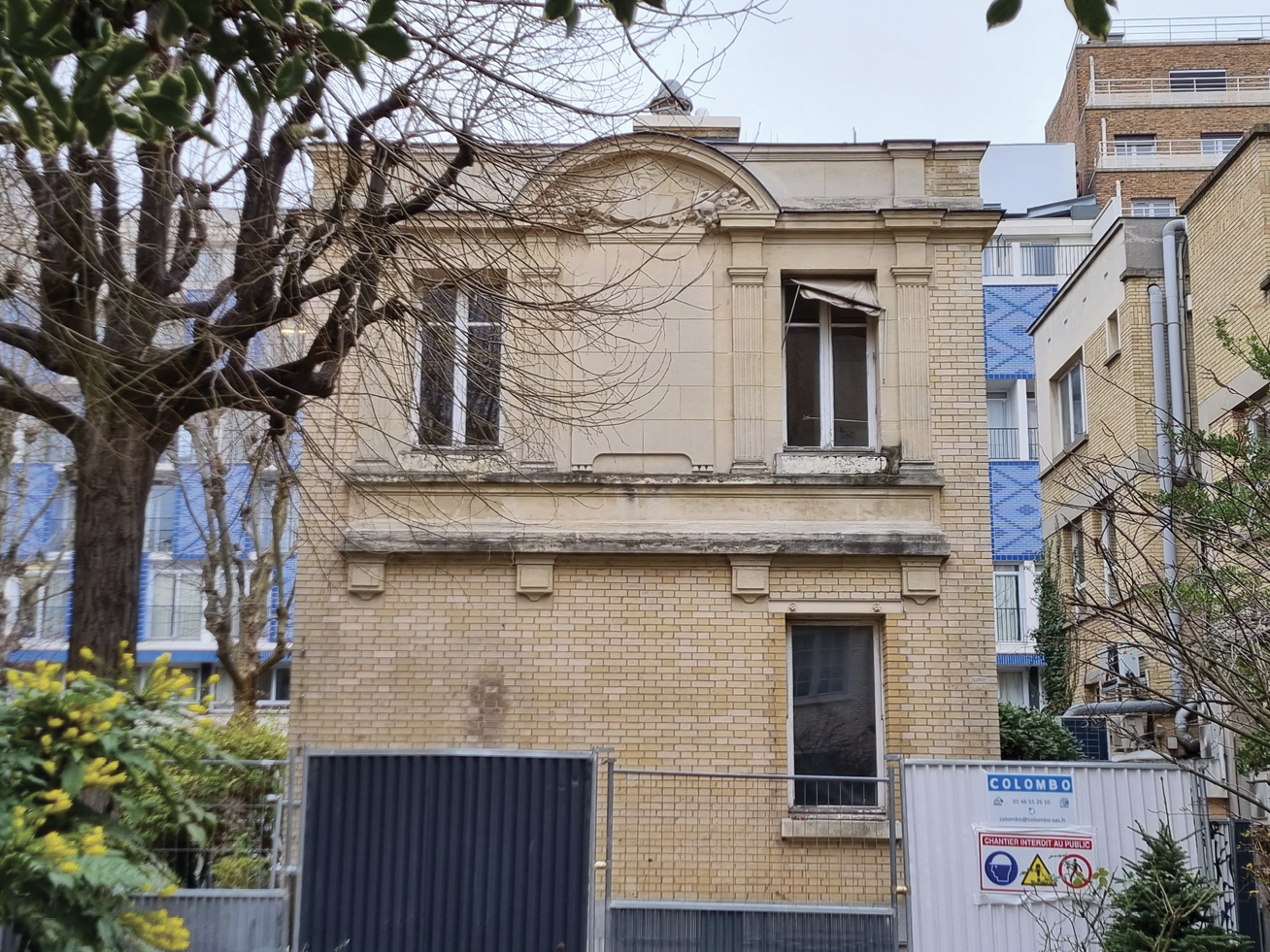
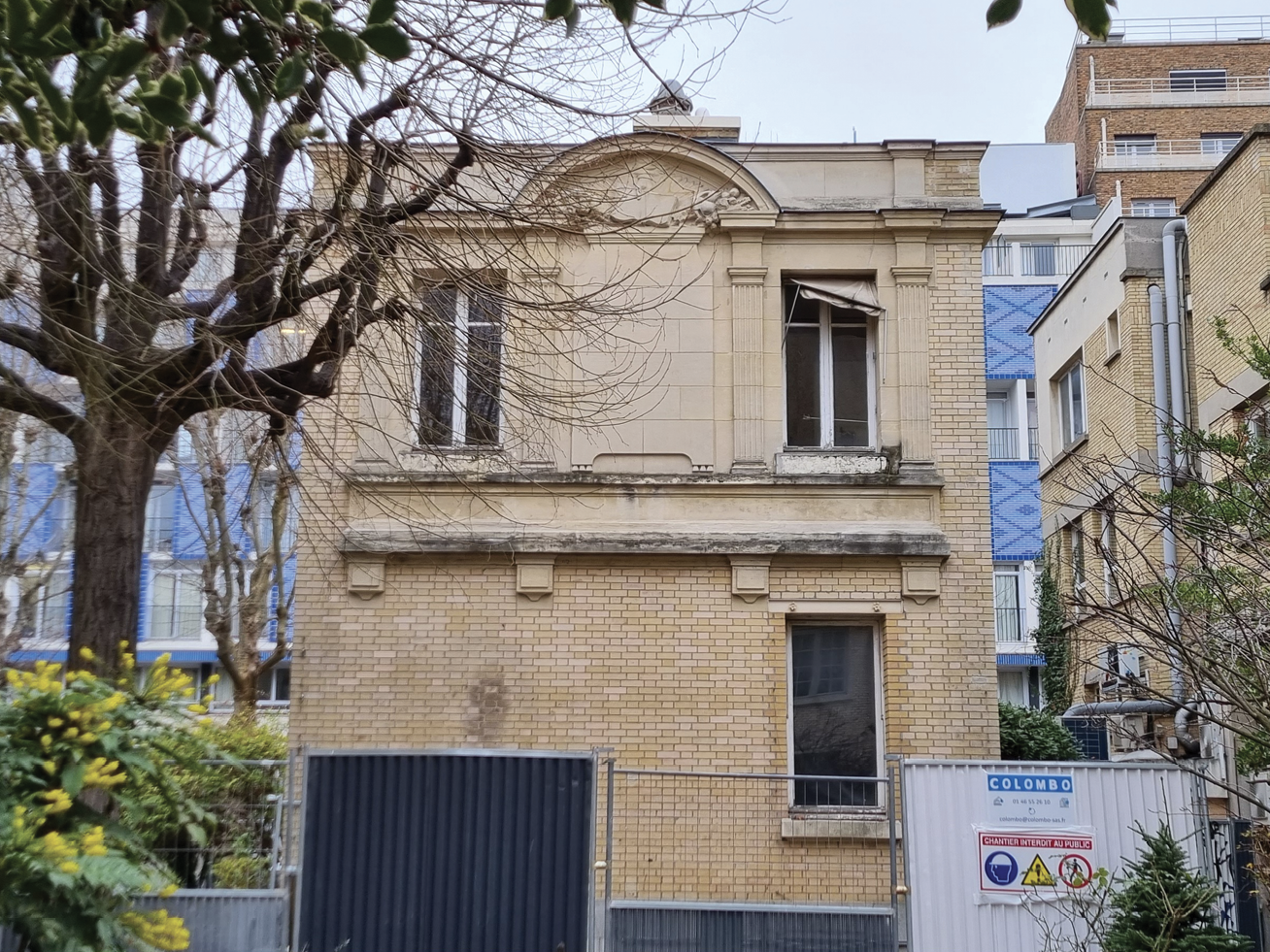
The Pavillon des Sources in Paris, where Marie Curie prepared and stored radioactive samples, is set to be removed to make way for a building that will house offices and laboratories for cancer research.
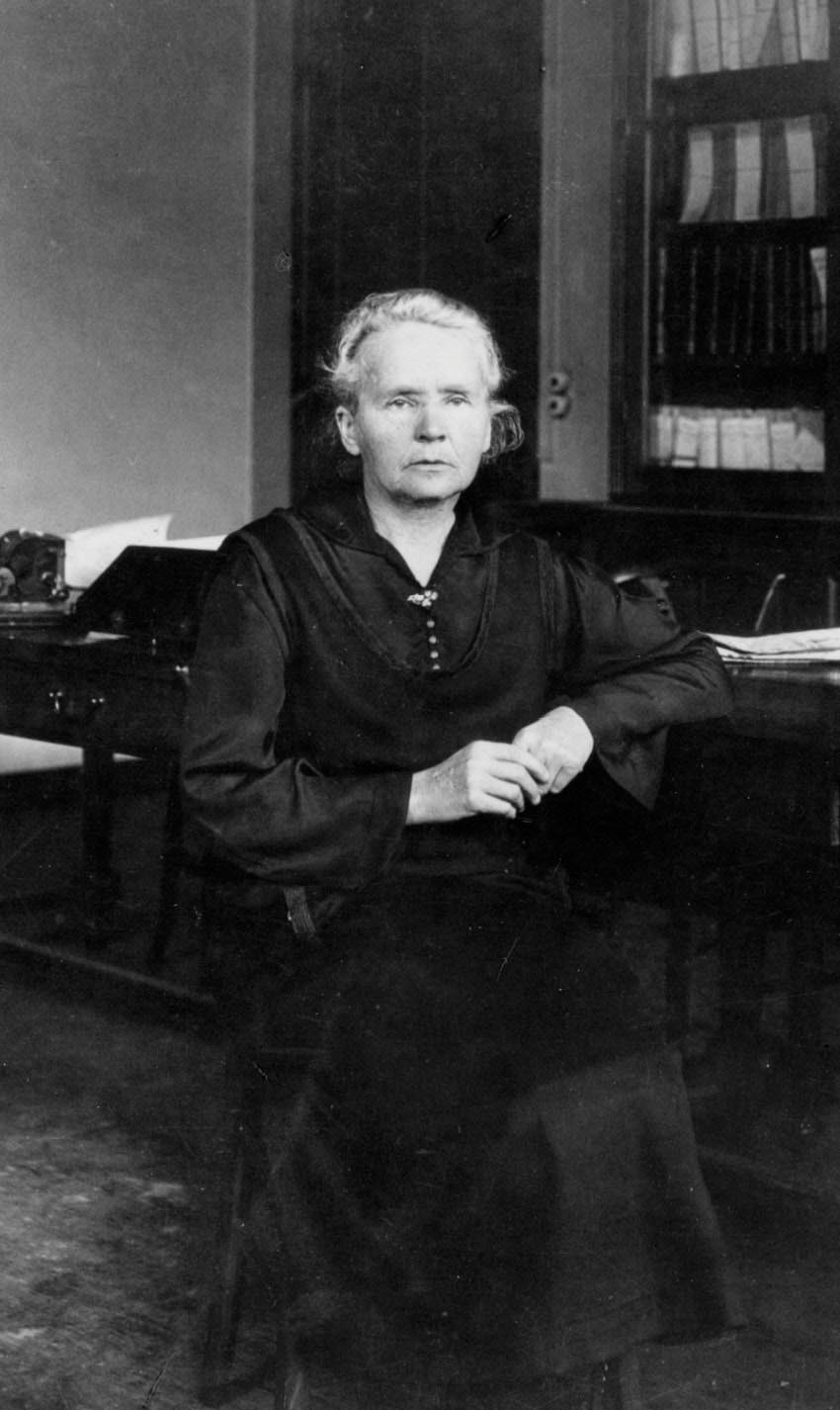
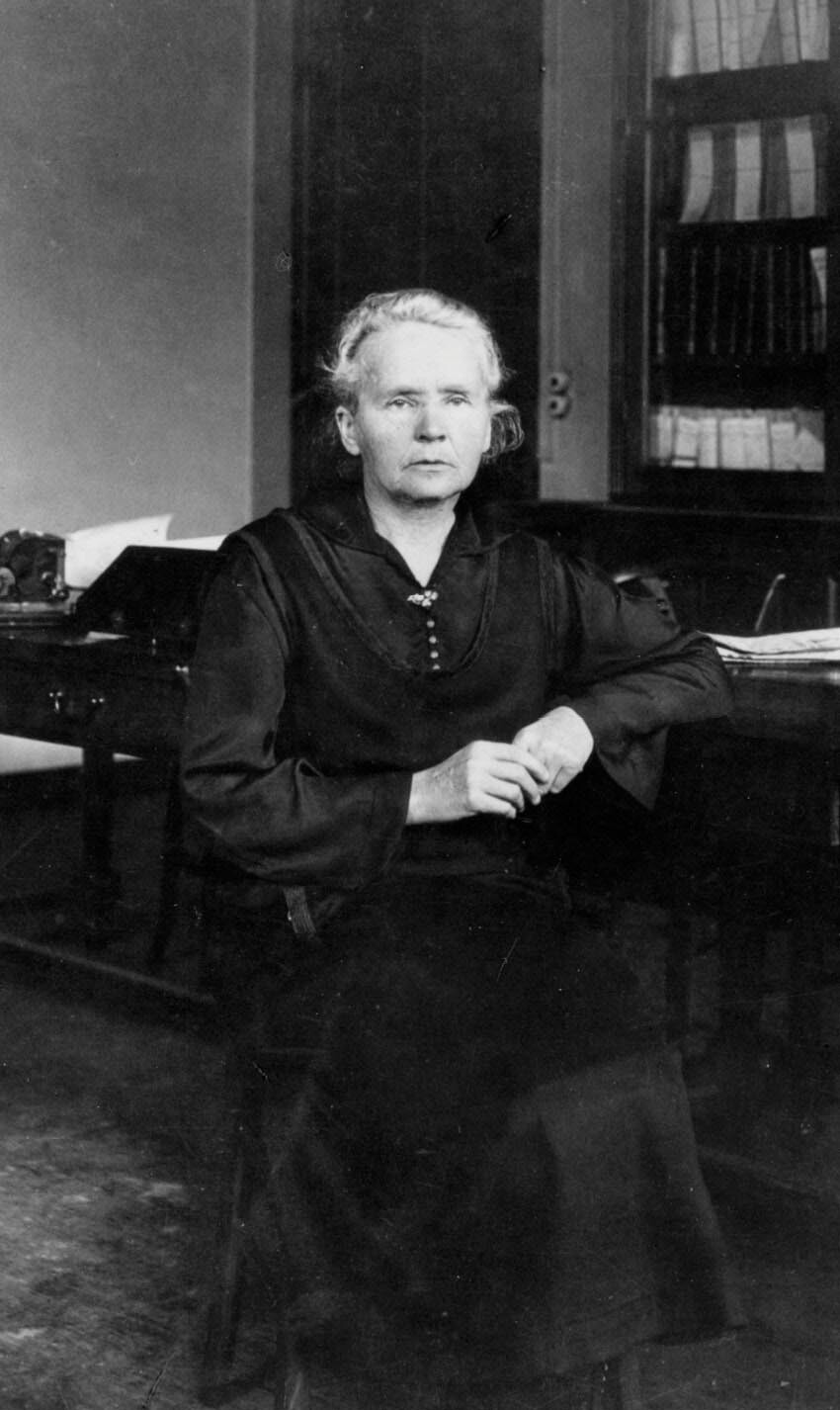
The plan was originally approved by the city of Paris in March 2023. At least two petitions were circulated worldwide in favor of preserving the building in honor of Curie—a two-time Nobel Prize recipient and possibly France’s most prominent physicist as well as the world’s most famous female scientist.

Marie Curie won Nobel Prizes in physics (1903) and chemistry (1911) for the discovery of radioactivity and for isolating radium and polonium. (Courtesy of the AIP Emilio Segrè Visual Archives.)
In response to opposition, the demolition plan was delayed and revised: Instead of razing the Pavillon des Sources, the building will be taken apart brick by brick and rebuilt nearby as an expansion to the Curie Museum. The solution was put forward by the Curie Institute—a nonprofit foundation created by Marie Curie that focuses on cancer research, teaching, and treatment—which announced it in a press release on 31 January.
Taking apart and rebuilding the Pavillon des Sources adds €5 million ($5.4 million) to the €13 million cost of the new building, according to the Curie Institute press office. The new building is supposed to be completed by 2026, the office says. It did not provide a date or exact site for the reassembly of the Pavillon des Sources. Many observers doubt it will really happen. “It’s a decision that will not be fulfilled,” says a Curie Institute scientist who requested anonymity because of the topic’s controversy.
Completed in 1914, the Pavillon des Sources and two companion buildings were erected for Curie partly because people were “making pilgrimages to meet her, and she worked in disgraceful labs,” says Laura Dawes, a science historian at the Australian National University who started one of the petitions to save the Pavillon des Sources. Meanwhile, fancy new radium institutes were being set up in London, Vienna, Warsaw, and elsewhere, says Dawes. The labs and buildings where Curie had earlier discovered radium and polonium no longer exist, she adds.

The Pavillon des Sources in Paris is slated to be taken apart brick by brick and reassembled nearby. Radioactive samples were prepared and stored in it, part of an ensemble of three buildings where Marie Curie worked from 1914 until her death in 1934. A five-story structure dedicated to cancer research to be built in its stead will extend partly atop one of the neighboring structures.
INSTITUT CURIE
To one side of the Pavillon des Sources is the Pavillon Curie, where Curie and others conducted experiments with radioactivity and which now houses physics offices and laboratories and the Curie Museum. On the other side is the Pavillon Pasteur, where cancer patients were treated with radium; it now houses biology offices and laboratories.
The layout of the three buildings reflects the flow of activity, says Dawes, with the central Pavillon des Sources originally supplying radioactive sources for both experiments and cancer treatment. “From a heritage point of view, to maintain the integrity of the site, all three buildings need to be kept intact and in their spatial relationship with each other,” she says.
The new, five-story building will house a chemical biology and cancer project. The research direction “fits in perfectly with Marie Curie’s scientific heritage,” the press release says, and “will increase our knowledge of how tumors function, exploit identified vulnerabilities and develop new therapeutic strategies.”
More about the authors
Toni Feder, tfeder@aip.org