The Charm School: A summer research opportunity for women before REUs
DOI: 10.1063/pt.vzvx.nmby


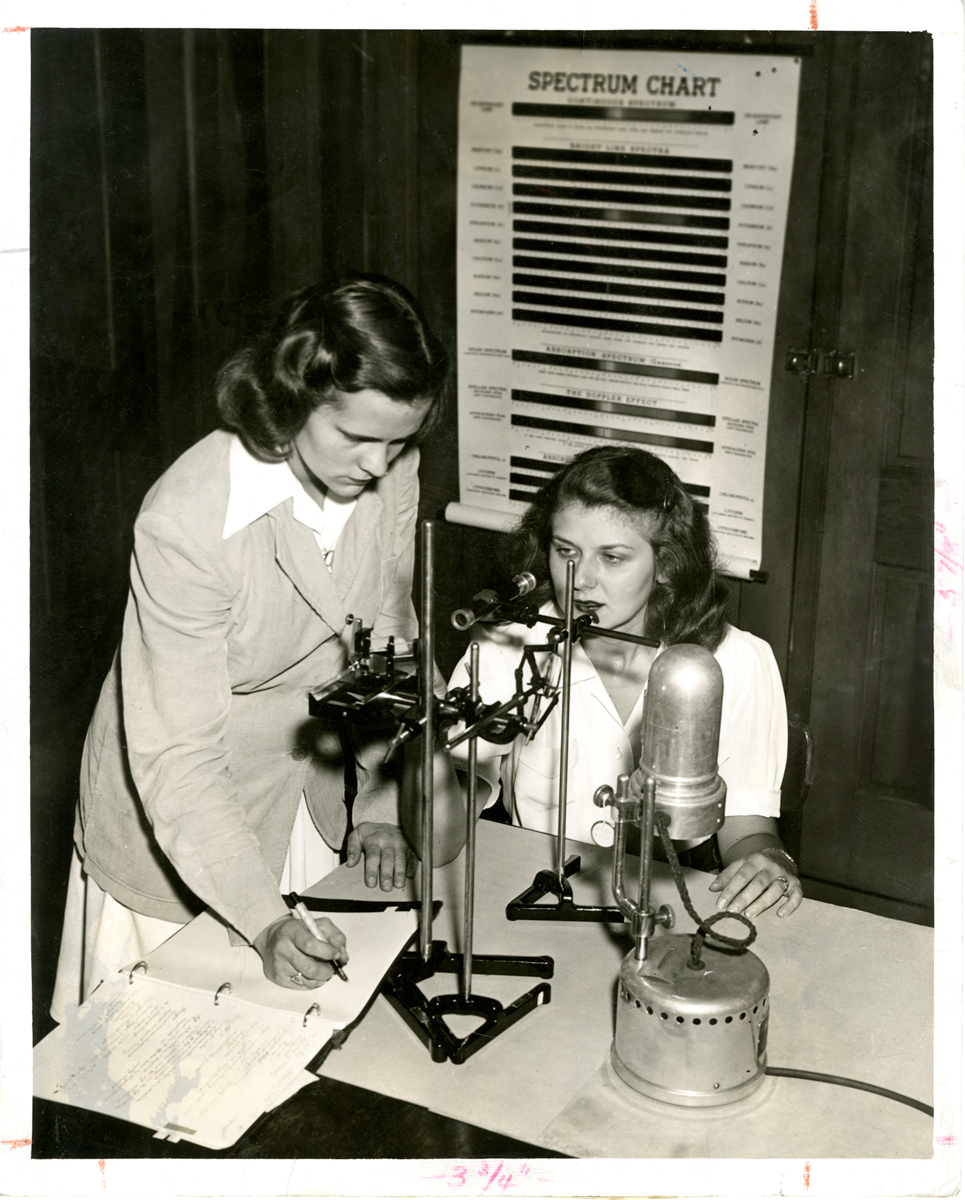
Two physics students at Wilson College use an interferometer. (Photo courtesy of the C. Elizabeth Boyd ’33 Archives, Hankey Center, Wilson College.)

For students aspiring toward a career in science, participating in the Research Experiences for Undergraduates (REU) program has become a stepping stone from the classroom into the world of research. The opportunities are organized by many organizations, including companies, colleges and universities, and NSF and other governmental agencies. Studies show that participating in an REU helps students boost their confidence in their abilities and gain a better understanding of scientific concepts and research processes. REUs are also associated with an increased rate of degree completion and progression to graduate school, especially among underrepresented groups in science. 1
But decades before REUs were a common practice, there was the Charm School: a summer program exclusively for female college students that was organized for six summers between 1939 and 1948. Attended by at least 28 women, it was spearheaded by Dorothy Weeks, a professor of physics from Wilson College in Pennsylvania. She received assistance from MIT spectroscopist George Harrison, in whose lab the students worked. The history of the Charm School shows the importance of undergraduate research and illustrates how female physicists—and physicists in training—made space for themselves in a place where neither undergraduates nor women often ventured.
Finding a research niche
Weeks understood how to wedge herself into male-dominated environments. As she recalled in her memoir, 2 “I demonstrated my ability to fight very early” (page 103). Born in Pennsylvania in 1893, Weeks developed an early interest in science and mathematics, which was encouraged by her high school teachers and fueled by time spent playing with her brother’s collection of electrical and mechanical equipment. 3 She attended Wellesley College in Massachusetts, where she specialized in mathematics, chemistry, and physics.

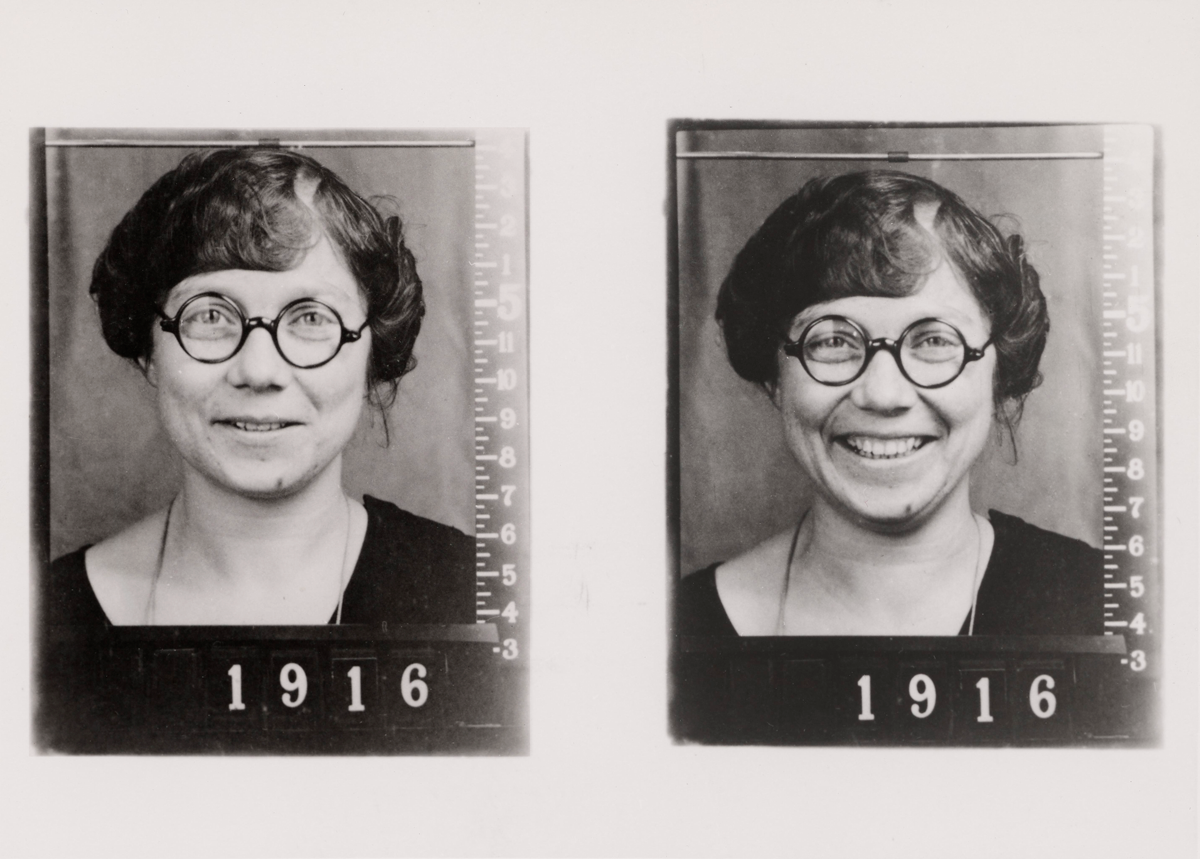
Dorothy Weeks, ca. 1921, when she was working on her master’s degree at MIT. (Photo courtesy of the MIT Museum.)

After graduating in 1916, Weeks worked as a substitute teacher and a statistical clerk before becoming the third woman to work as an examiner at the US Patent Office. But she was more interested in pursuing research and graduate work, so in 1920, she found a position in Washington, DC, at the National Bureau of Standards (now NIST), which began hiring women during World War I. There, she worked in the electrical division and took courses offered by Joseph Ames of Johns Hopkins University. 2
In 1920, Weeks and three other women became assistant instructors in the physics department at MIT. The chair, Edwin Bidwell Wilson, found it difficult to locate qualified male instructors in the wake of World War I, so he solicited applications from women who would work as instructors while studying for master’s degrees. Unfortunately, after Weeks finished her thesis, the climate on MIT’s campus began to shift: Both the new department chair, Charles Norton, and the new president, Samuel Wesley Stratton, were opposed to employing women as faculty members and welcoming women graduate students.
Weeks began to wonder if science wasn’t for her, and she took a job at the Jordan Marsh department store in Boston in 1924. 2 She decided to return to academia in 1928 and began her PhD studies. She was at MIT again but now in the mathematics department. Supervised by Norbert Wiener, she wrote a dissertation about the mathematics of polarized light. But she did not continue working on that topic—or in any area of theoretical physics—after her graduation in 1930.
Instead, Weeks secured a position as the professor of physics at Wilson College, which at the time was a small women’s college with a primarily female faculty. Today, it is coeducational, and it still operates on the same campus in Chambersburg, Pennsylvania. As fortunate as she was to have a position, her new circumstances significantly altered her research prospects. Despite all its charms, Wilson College was no MIT. For one thing, Weeks had few people nearby with whom she could discuss theoretical physics. For another, her teaching-heavy position and lack of external research funding meant that her time and financial means were limited. 2

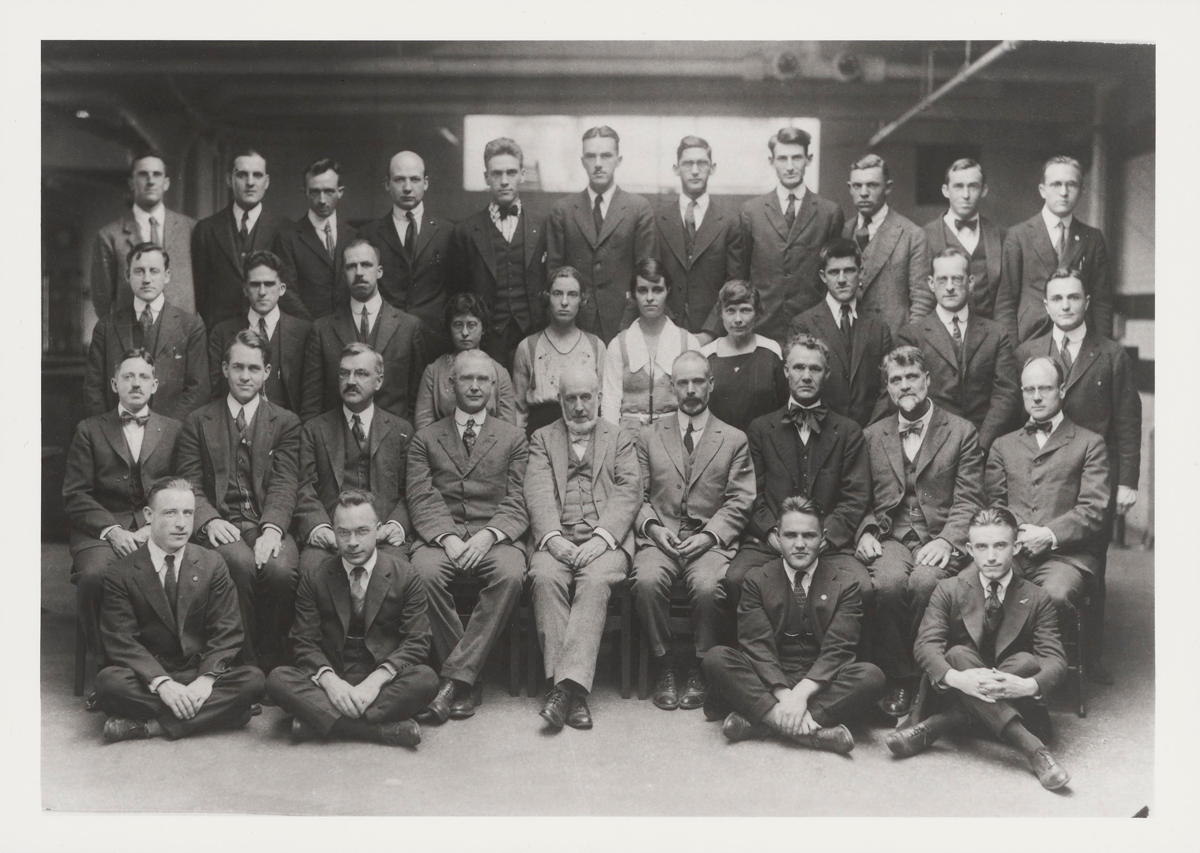
The MIT department of physics, ca. 1920s. The four female physics instructors in the second row from the top are, from left, Evelyn Clift, Elzura Chandler, Louisa Eyre, and Dorothy Weeks. (Photo courtesy of the MIT Museum.)

Two years into her professorship at Wilson College, Weeks attended Henry Norris Russell’s dedication speech for MIT’s new spectroscopy laboratory. She recalled, “Before he had spoken many sentences, I was sitting on the edge of my seat and knew that this was the field I wished to study. Here was a field that was of interest to me and one which could be understood by my students. This was not true of the field for my doctorate” (page 616). 2 Moreover, she believed that the spectroscopy community was welcoming. In an interview, she said,
In a small college, which awarded only the BA degree, one should have a research subject that could be brought down to the understanding of undergraduate students. Spectroscopy was such a subject. There were women working in the field of astronomy, and the related field of optics. It seemed therefore to me a field where less prejudice existed and was ideal for my situation.
3
Research in spectroscopy was possible for undergraduate students to grasp and contribute to. And several prominent women were active in the field, including the stellar astronomers Cecilia Payne-Gaposchkin and Annie Jump Cannon.
Creating the Charm School
In the summer of 1935, Weeks returned to the MIT spectroscopy laboratory, where she learned how to use the equipment and began a research project on the spectrum of iron. Harrison, the head of the lab, served as Weeks’s host and collaborator. At the same time, Harrison was also managing workers from the Works Progress Administration (WPA), a federal agency founded in 1935 as part of the New Deal. During the Great Depression, the WPA funded numerous projects that provided jobs for unemployed workers and produced public goods. Although the bridges, roads, and murals are probably better known today, scientific projects were also among those funded. For example, the Mathematical Tables Project, based in New York City, produced 28 volumes of exponential, logarithmic, and other functions. 4 Harrison’s WPA project culminated in the publication of the first edition of the Massachusetts Institute of Technology Wavelength Tables in 1939, which included more than 100 000 wavelengths between 2000 and 10 000 angstroms that were used to compare various chemical elements with one another. 5

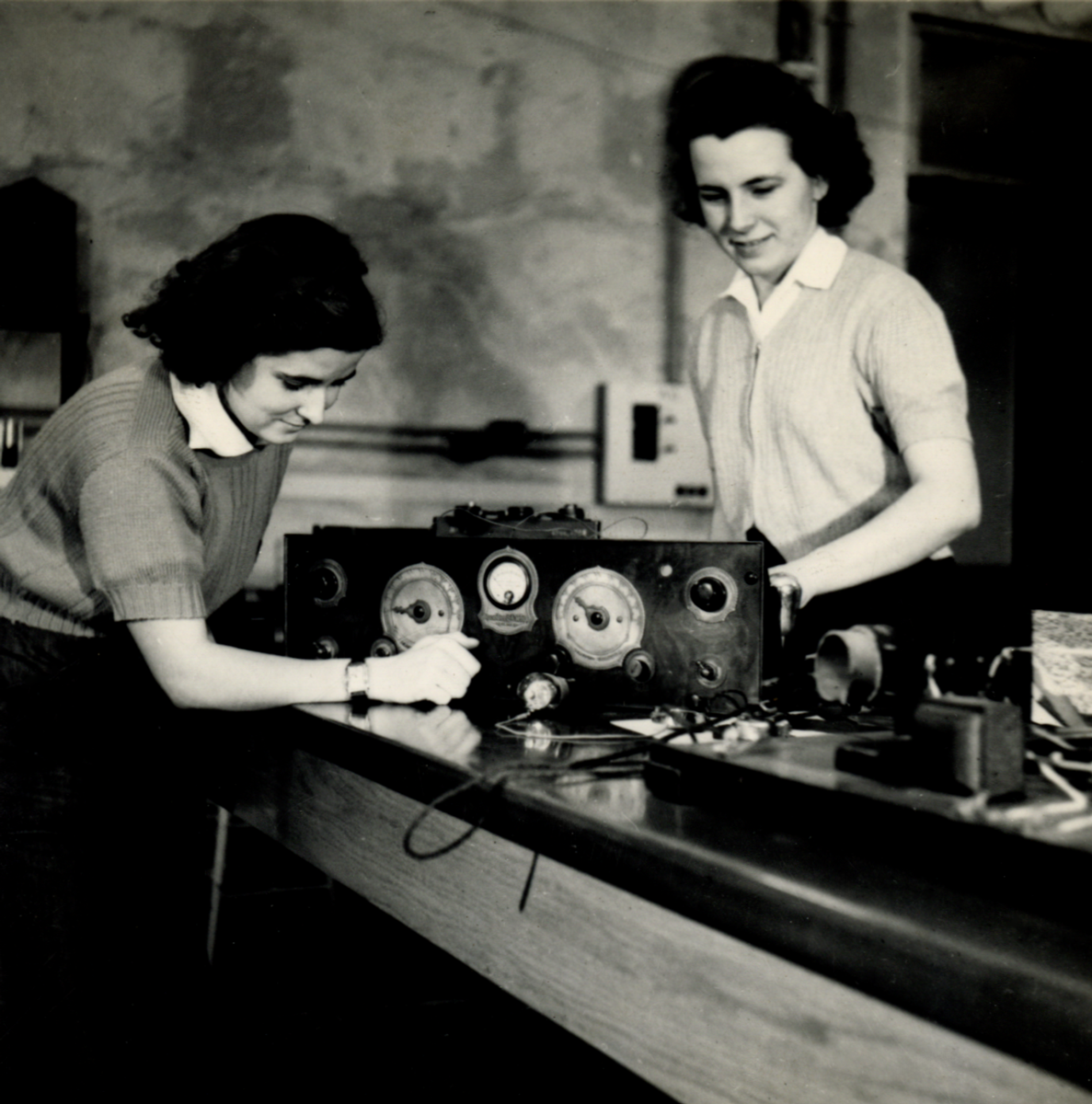
Reina Sabel (left) and Barbara Wright (right) during a radiophysics class at Mount Holyoke College. Sabel and Wright attended the Charm School in the summer of 1940. (Photo courtesy of the Mount Holyoke College Archives and Special Collections.)

More than 140 WPA workers contributed to the project. In the introduction to the book, Harrison credited them with “the great burden of numerical tabulation and checking.” 6 Weeks, however, recalled the workers running the spectrograph as well. And she would have known, because she spent her spring, winter, and summer vacations at MIT conducting her own research as well as training some of the WPA workers. She continued to collaborate with Harrison during vacations and—as much as she could manage it—during the school year. Their work examined how the Zeeman effect influenced the spectral lines of elements such as iron, cobalt, and zirconium. 2
Most of the WPA workers had no experience working in science beyond the training they received on the job. As the work increased in complexity from measuring wavelengths to calculating Landé g-factors—first-order perturbations of an atom’s energy levels in a weak magnetic field—Weeks saw an opportunity for female students. Third- and fourth-year undergraduates in physics could bring increasingly valuable assistance to Harrison’s project. Weeks approached Harrison and received his approval to invite female students to work in the spectroscopy laboratory for six weeks during the summer. 2 , 3
As shown in the
A summary of known data about Charm School attendees, including the colleges attendees came from, the number of attendees per institution, and—where known—the names of attendees. The italicized names are of women who are known to have continued in physics or its allied fields through graduate study or employment after college. Other attendees may have done so as well, but records were not available. Additional women may have attended beyond the 28 there are records for.
| Year | College | Number of attendees | Known attendees |
| 1939 | Wilson College | 2 | Betty E. Prescott, Frances Findley |
| Wellesley College | 3 | ||
| Bryn Mawr College | 1 | ||
| Goucher College | 1 | ||
| 1940 | Wilson College | 2 | Elizabeth “Betty” Failor, Esther Johnson |
| Mount Holyoke College | 3 | Isabel A. Barber, Reina Sabel, Barbara A. Wright | |
| Radcliffe College | 1 | Katherine J. Russell | |
| Vassar College | 1 | Molly Bigelow | |
| 1941 | Wilson College | 2 | Mary Schabacker, Elizabeth Woodburn |
| Connecticut College for Women | 1 | Barbara D. Gray | |
| 1946 | Wilson College | 2 | Marjorie Ives, Elaine Hungerman |
| Goucher College | 2 | Angeline “Dolly” Coultas, June Rita Herbert | |
| 1947 | Goucher College | 1 | Mary Ann Lamb |
| Wilson College | 2 | Nancy Curtis | |
| 1948 | Wilson College | 1 | Nancy Connell |
| ? | 2 | Jean [last name unknown], Beverly [last name unknown] | |
| Hunter College | 1 | Marian Boykan |
Student experiences
Although it was coed, MIT had only a small percentage of undergraduate women, so the new research assistants stood out. They immediately felt the difference in being surrounded by male students after years of education at women’s colleges. One student described initially feeling “stage fright at seeing so many boys around,” although she eventually settled into the new environment and enjoyed the prospects for dating. 7 Harrison also noticed the contrast: Referring to the students as a “galaxy of youth and beauty,” he dubbed the group the “charm school” (page 619). 2 The unofficial name stuck, even though Weeks and most of the students never used it in their correspondence. Although Harrison’s chauvinistic comments are not surprising given the time period, they nevertheless underscore how the participants had moved from women’s colleges, where their academic achievements were valued over their looks, to an environment of altogether opposite values.

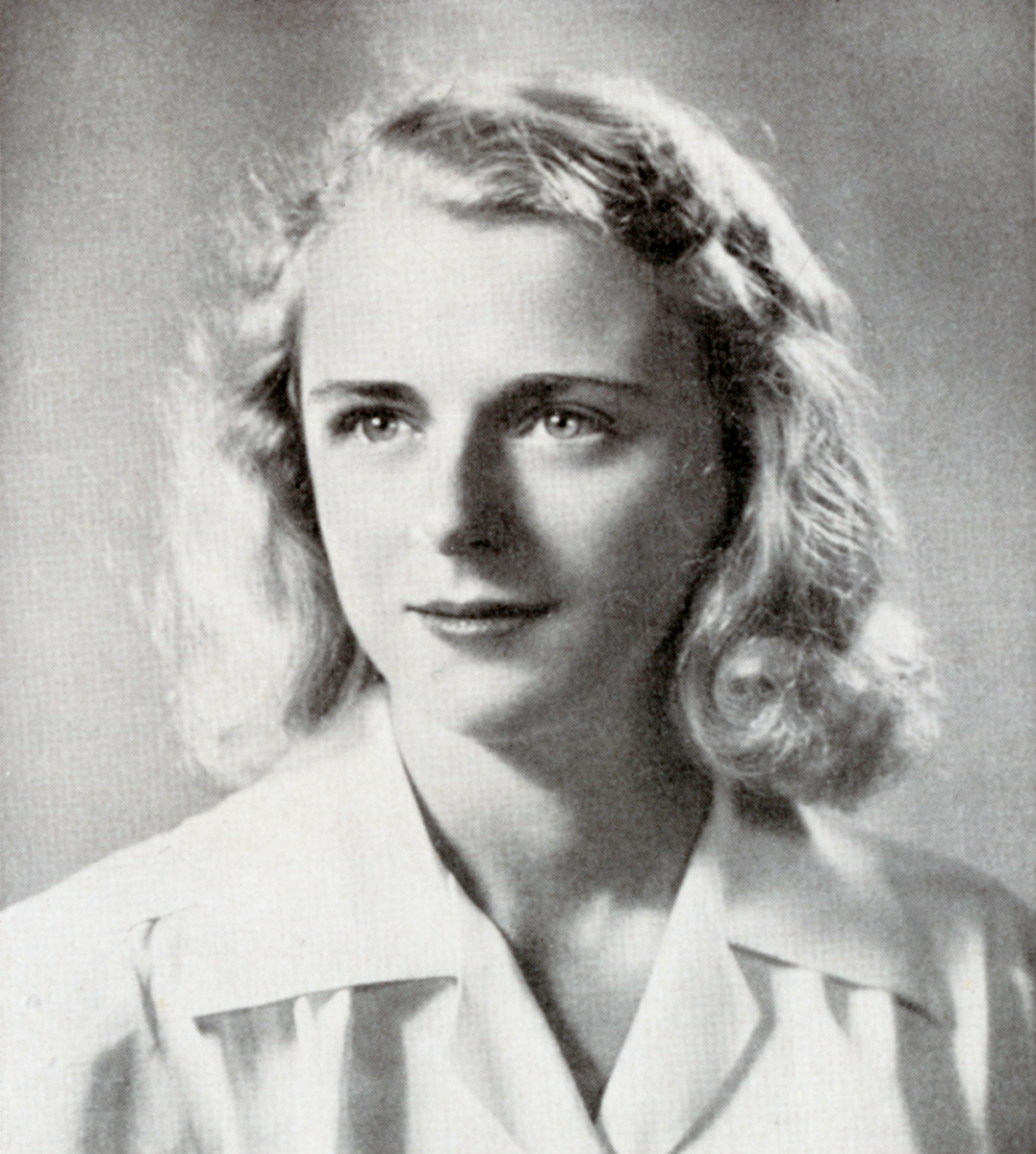
Elaine Hungerman, pictured in the 1946 Wilson College yearbook. She worked on infrared spectroscopy at MIT following graduation. (Photo courtesy of the C. Elizabeth Boyd ’33 Archives, Hankey Center, Wilson College.)

In the summer of 1946, two attendees from Goucher College and two from Wilson College came to MIT. The two from Wilson, Elaine Hungerman and Marjorie Ives, already knew Weeks: She had been their physics professor there. Because she was still finishing up her war work at the OSRD, Weeks could not join them that year, but Hungerman and Ives wrote frequently to her about their time at MIT.
The summer started on a high note. Harrison introduced the students to colleagues and friends at a dinner hosted at his house. The following day, he gave them a tour of the facilities and made more introductions. Hungerman felt a thrill at being treated, at least in part, like a colleague as well as a student. She wrote to Weeks, “Oh yes, we have an office complete with telephone and burglar alarm, all of which makes us feel quite important.” 8
At first, Hungerman and Ives worked directly on the equipment. Hungerman wrote, “We spent our time profitably in making comparator readings of Fabry–Pérot fringes and computing ε.” 8 She was likely using a Fabry–Pérot interferometer, which uses two partially silvered surfaces and large, offset beams of light to make extremely high-resolution measurements, including ε, the fractional order of interference at the center of the circular patterns generated by the interferometer. But at times, aspects of the project were duller. In late July, Hungerman wrote, “At present Dolly [Coultas] and June [Herbert] are working on the machine while Marjorie and I are typing lists of the secondary standards. It proves to be somewhat boring but that is all right if someone can make use of them.” 7
Even though the work could occasionally be dull, the students found the surrounding environment stimulating. Ives greatly enjoyed the weekly spectroscopy seminars. That summer, the first talk was given by Harrison, and Hungerman wrote that she was excited about an upcoming visit from Walther Meissner, who remains well known today for the discovery of the Meissner (or Meissner–Ochsenfeld) effect, the expulsion of a magnetic field from a superconductor.

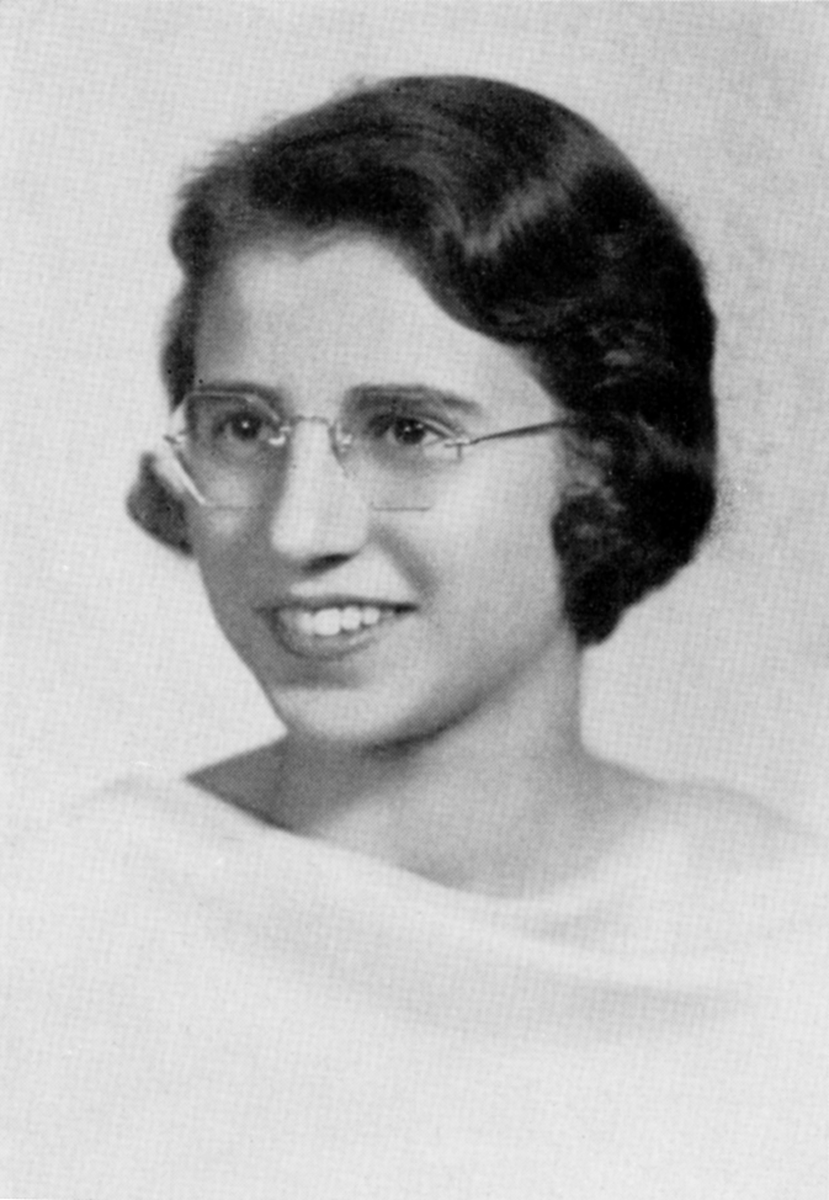
Marjorie Ives, pictured in the 1947 Wilson College yearbook. She continued working in the MIT spectroscopy laboratory following graduation, and she helped run the 1947 and 1948 Charm Schools. (Photo courtesy of the C. Elizabeth Boyd ’33 Archives, Hankey Center, Wilson College.)

Ives graduated from Wilson College in 1947, and that summer she returned to MIT, where she helped run the 1947 and 1948 summer schools. Her letters reflect her growth in confidence as a scientific researcher and supervisor. For instance, in 1946, she described her work in general terms:
[We] have been measuring and calculating the dispersion of some plates containing cerium. We also analyzed the plates to see what else they contained. As you can well imagine this work has been something quite new for me, but I am enjoying it immensely.
9
But in a 1948 letter, Ives was able to go much further in detail and describe active problem-solving:
The girls are now working on identification of the Vanadium and will finish the patterns on the plate this week. It is not going to be possible to run the film with the density traces and wavelengths marked simultaneously on the automatic comparator. As a result, they have been doing all the identification on the Hilger comparator. It is possible to run the film on paper and get density traces only—that I am going to see about this week.
10
What her letter doesn’t mention is that along with her duties at the Charm School, she was simultaneously preparing data for Weeks’s research and writing a paper for Harrison. She had, in short, become a scientist.
Of course, Ives also had the increased responsibility and confidence of a person who had transformed from student to professional. She was supervising students whose shoes she used to be in. Comparing herself with Harrison, who was the dean of the MIT School of Science, she referred to herself as the “dean of the Charm School.” The moniker diminished her role as a supervisor of researchers, much as it diminished the role of the student researchers themselves, but Ives wore it with pride. She had become established in the spectroscopy laboratory and had worked there as a college graduate and full-time researcher for approximately a year. She wrote to Weeks, “You know the accomplishment in winning a little seniority, especially in a lab where the women are so outnumbered.” 11
Charm School alumnae

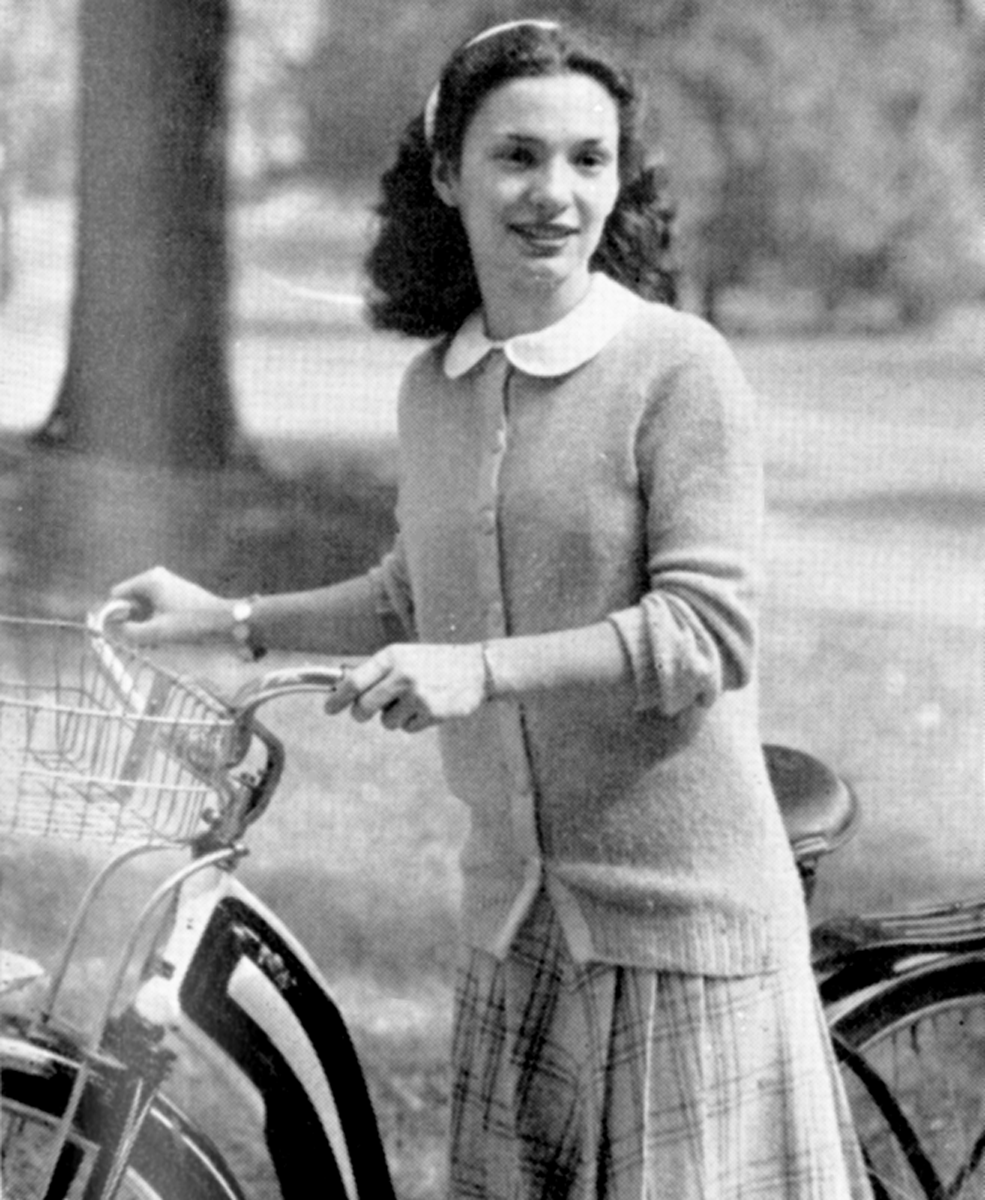
Betty Prescott, pictured in the 1940 Wilson College yearbook. After graduation, she went to work at Bell Labs. (Photo courtesy of the C. Elizabeth Boyd ’33 Archives, Hankey Center, Wilson College.)

Ives was not the only alumna of the Charm School to continue in science in some capacity. Hungerman, for example, also stayed at MIT as a paid employee. After graduating from Wilson College in 1946, she worked for a few years in the infrared group at MIT under Richard Lord. 12 And Betty Prescott, a member of the Charm School’s first cohort, went on to work on spectroscopy at Bell Labs for many decades. Prescott never forgot Weeks or her undergraduate experience. She arranged for Bell Labs to donate its old spectrophotometer to Wilson College when it purchased a new one. 2
Other graduates continued in related fields. Katherine Russell, an attendee from Radcliffe College, is better known to historians under her married name, Katherine Sopka. She became a historian of modern physics, and she conducted many oral history interviews that are available at the Niels Bohr Library & Archives of the American Institute of Physics (which also publishes Physics Today). One of her interviews was with Weeks. In the interview, Sopka noted that the Charm School was “certainly a memorable experience for the one from Radcliffe—who is talking to you now” (page 21). 3
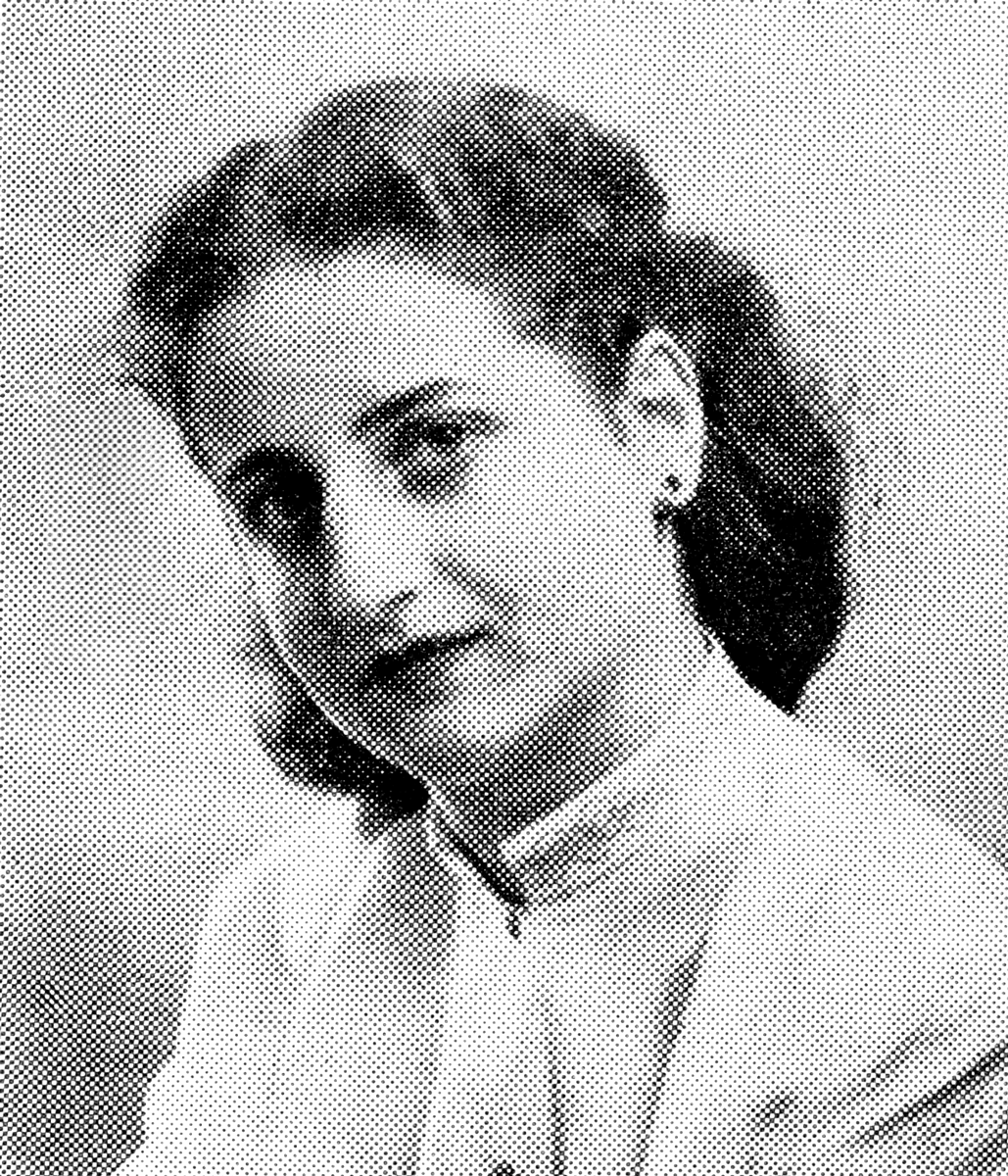
Another alumna to attain some prominence in her field was Marian Boykan, who attended in 1948 after being recommended to Weeks and the program by Helen Messenger, her physics professor at Hunter College. As Messenger wrote in her recommendation to Weeks, “Temperamentally she is sudden and unexpected due to the speed at which her mind works. She has to be slowed up at intervals and calmed.” 13 Unfortunately, there are no records to show if the Charm School was up to her mental speed, but Boykan certainly exercised her mind over the coming decades. She became a mathematical logician who specialized in several topics, including recursion theory, analog computing, and computability in analysis and physics. 14
The school’s legacy
Weeks was the driving force behind the Charm School, so it stopped when she did not continue it after the 1948 summer program, for several reasons. First, paid summertime employment was becoming more available, and the appeal of an unpaid research internship had lessened. Second, Weeks was awarded a Guggenheim Fellowship in 1949, which allowed her to devote more time—and funding—to her own research. She spent much of the 1949–50 academic year at MIT, where she was finally able to hire a research assistant to help with her spectroscopy work. 3

Marian Boykan, pictured in the 1949 Hunter College yearbook. Boykan attended the 1948 Charm School and later became a mathematician. (Photo courtesy of the Hunter College Archives & Special Collections, Leon & Toby Cooperman Library.)

Although the Charm School had ended, similar programs sprung up soon afterward as the US pushed to improve its science education during the Cold War. 15 Organized, paid research internships for undergraduates emerged on the national level in 1958, when NSF founded the Undergraduate Research Participation (URP) Program. Despite considerable outcry, the URP Program was eliminated in 1982 because of budget cuts under President Ronald Reagan. 16 In 1987, NSF resurrected a national program along similar lines as the URP Program under a new name, Research Experiences for Undergraduates. Both the URP and REU programs were directed at male and female students, although in the earlier decades, it was assumed that most attendees would be male. But in the early 2000s, studies emerged showing that REUs were especially effective at helping female students and students of color continue in scientific fields beyond college. Since then, new undergraduate research programs have emerged that specifically target underrepresented groups. 17
But more than 60 years earlier, a small program had affected the lives of at least 28 female students in physics. It is hard to claim definitively that the Charm School was a turning point for any individual attendee or was merely a stepping stone on a path that they would have taken anyway.
It is unlikely that many Charm School attendees would otherwise have had a chance to carry out original research during college—those opportunities were rare in the 1930s and 1940s for undergraduates, and doubly rare for female undergraduates. And for at least four of the attendees (Ives, Hungerman, Curtis, and Prescott), attending the Charm School led them to continue research work at MIT or in spectroscopy. Finally, the fact that in a time of obvious resistance to women’s presence in science, at least 11 out of 28 participants continued in science past college is a feat worthy of celebration in itself.
This article was originally published online on 8 July 2025.
I would like to thank Amy Rodgers, Penelope Hardy, and the staff of the archives at MIT, Wilson College, Mount Holyoke College, and Hunter College. This work was supported by the Independent Research Fund Denmark, grant number 4282-00100B.
References
1. J. A. Harsh, A. V. Maltese, R. H. Tai, J. Coll. Sci. Teach. 41(1), 84 (2011). https://www.jstor.org/stable/43748287
2. D. W. Weeks, “Fun on the Fringes” (unpublished memoir, n.d.), folder 11, Dorothy W. Weeks Papers, MC-0400, Department of Distinctive Collections, MIT Libraries.
3. D. W. Weeks, interview by K. Sopka, 19 July 1978, Oral History Interviews, Niels Bohr Library & Archives. https://doi.org/10.1063/nbla.lhki.hgou
4. D. A. Grier, IEEE Ann. Hist. Comput. 20(3), 33 (1998). https://doi.org/10.1109/85.707573
5. G. R. Harrison et al., Massachusetts Institute of Technology Wavelength Tables with Intensities in Arc, Spark, or Discharge Tube […], rev. ed., MIT Press (1969).
6. D. W. Weeks, “Report of Dr. Dorothy W. Weeks Professor of Physics at Wilson College” (ca. 1947), folder “Weeks, Miss Dorothy Walcott,” Publicity Office File, C. Elizabeth Boyd ’33 Archives, Hankey Center, Wilson College.
7. E. Hungerman to D. W. Weeks (22 July 1946), folder 1, Weeks papers, in ref. 2.
8. E. Hungerman to D. W. Weeks (3 July 1946), folder 1, Weeks papers, in ref. 2.
9. M. Ives to D. W. Weeks (13 July 1946), folder 1, Weeks papers, in ref. 2.
10. M. Ives to D. W. Weeks (14 July 1948), folder 1, Weeks papers, in ref. 2.
11. M. Ives to D. W. Weeks (3 April 1948), folder 1, Weeks papers, in ref. 2.
12. M. Ives to D. W. Weeks (13 April 1948), folder 1, Weeks papers, in ref. 2.
13. H. A. Messenger to D. W. Weeks (n.d.), folder 3, Weeks papers, in ref. 2.
14. I. Pour-El, N. Zhong, J. Log. Comput. 25, 1133 (2015).https://doi.org/10.1093/logcom/exs073
15. J. L. Rudolph, Scientists in the Classroom: The Cold War Reconstruction of American Science Education, Palgrave (2002).
16. D. C. Neckers, J. Chem. Educ. 59, 329 (1982).https://doi.org/10.1021/ed059p329
17. A. L. McDevitt, M. V. Patel, A. M. Ellison, Ecol. Evol. 10, 2710 (2020).https://doi.org/10.1002/ece3.6136
More about the authors
Joanna Behrman is a historian of physics, gender, and science education. She is currently a postdoctoral scholar in the department of science education at the University of Copenhagen in Denmark. This article is adapted from her chapter in Spaces of Inquiry: Making Science and Technology in the Modern World, which is scheduled to be published later this year as part of the Routledge Studies in the History of Science, Technology, and Medicine book series.