A forgotten trailblazer
DOI: 10.1063/PT.3.4963
Although 21st-century physicists have heard the terms Lorentz force, Lorentz transformation, and Lorentz group, they probably know little about the man after whom those concepts are named. At the turn of the 20th century, it would have been quite different: No physicist would have asked, “Who is Hendrik Lorentz?” In those days, he embodied the nascent discipline of theoretical physics.

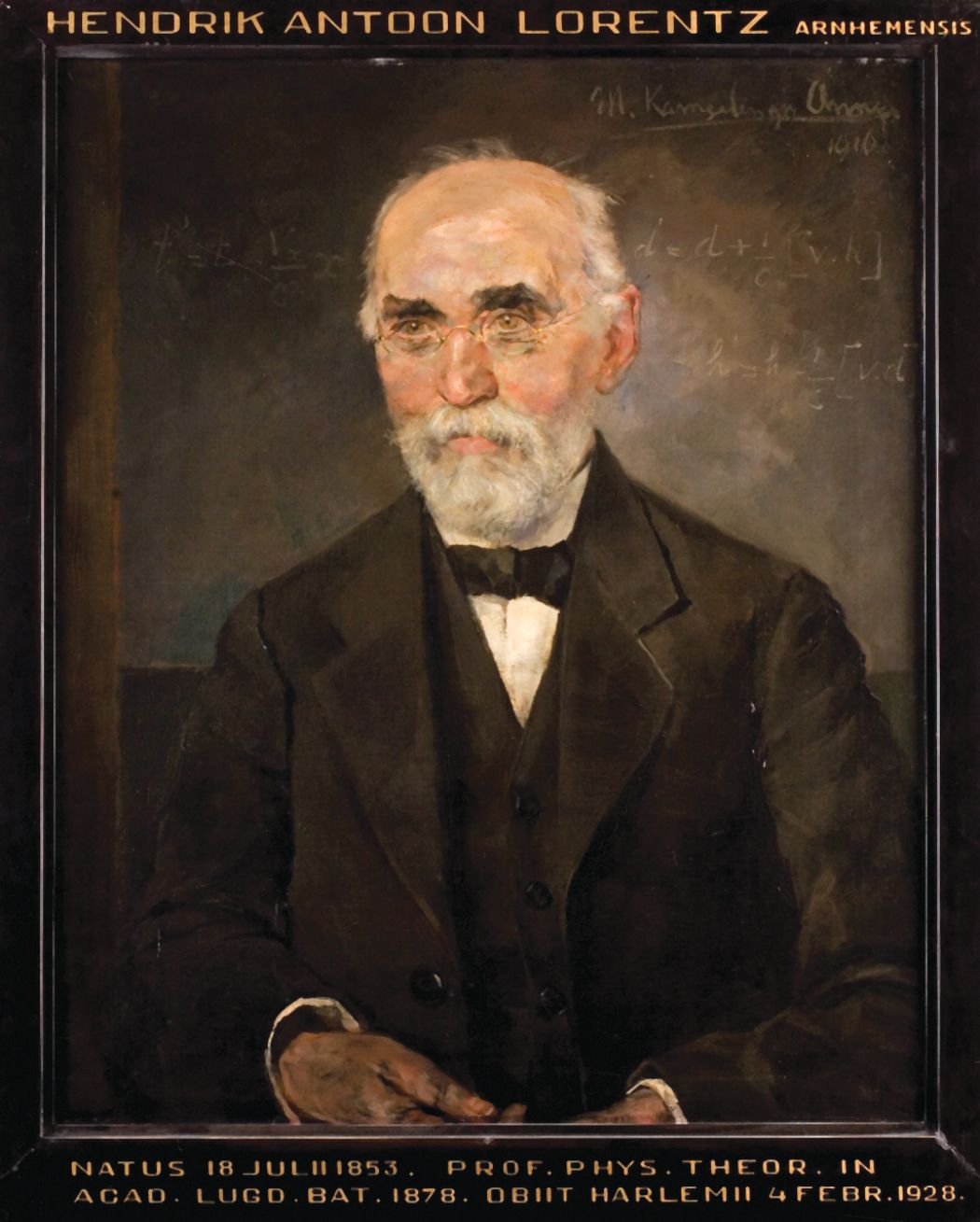
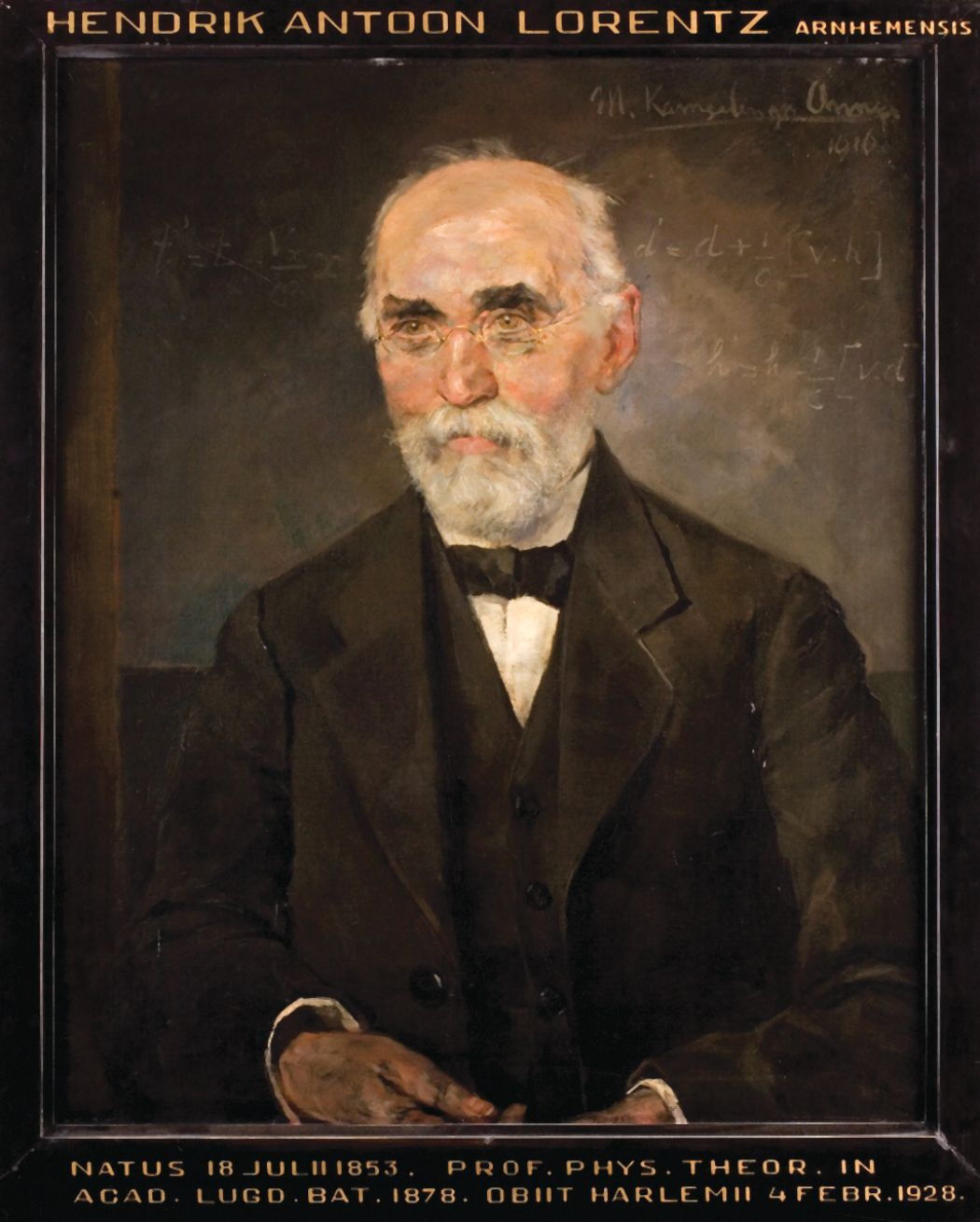
A 1916 portrait of Hendrik Lorentz by Menso Kamerlingh Onnes, the younger brother of Lorentz’s close friend and colleague Heike Kamerlingh Onnes.
MENSO KAMERLINGH ONNES/LEIDEN UNIVERSITY LIBRARIES/CC BY 4.0
The first theorist to be awarded the Nobel Prize in Physics, Lorentz made discoveries that paved the way for Albert Einstein’s theory of relativity. Yet little is known about Lorentz’s life. In other words: “A Living Work of Art”: The Life and Science of Hendrik Antoon Lorentz fills a blatant deficiency in the historiography of modern physics.
Historians of electromagnetism and relativity know A. J. Kox as the editor of Lorentz’s scientific correspondence. His expert knowledge makes him the ideal biographer of Lorentz. Kox initially published a biography of Lorentz in the author’s native Dutch in 2019. Together with H. F. Schatz, a sociolinguist and translator, Kox has now transformed the original into the present biography for an international readership.

“A Living Work of Art” is not just a translation: Kox and Schatz also added a chapter on Lorentz’s wife, Aletta. In addition to caring for her husband and children, Aletta was an active member of the women’s movement in the Netherlands. The authors argue she deserves attention as a “woman in her own right.” Aletta’s letters add a personal element to the story of “Pa,” as Lorentz’s family called him.
The authors take great pains to portray Lorentz in his social context, but they do not include a technical account of Lorentz’s scientific achievements. Electrodynamics, electron theory, the Zeeman effect, and the special theory of relativity are all confined to one of the 12 chapters, and general relativity and quantum theory to another. Not a single formula appears in the book. Physicists with a closer interest in Lorentz’s scientific achievements should consult Kox’s many relevant articles, which have been published in the Archive for History of Exact Sciences and elsewhere.
The virtue of “A Living Work of Art” is its portrayal of Lorentz as a central figure in the Dutch and international scientific communities. Lorentz’s gift with languages, calm demeanor, and administrative skills made him a linchpin in the world of early 20th-century physics. It was no coincidence that he chaired the first five Solvay Conferences: His compatriot Heike Kamerlingh Onnes recalled that Lorentz easily found the “right tone” to create the “desired atmosphere of confidentiality” for the meetings.
Coupled with his scientific authority, that administrative ability made Lorentz a sought-after head of panels outside his own field. From 1918 to 1926, Lorentz acted as chairman of the Zuiderzee Commission, which advocated reclaiming land in the North Sea by means of a large-scale hydraulic engineering project. As chairman of the League of Nations’ International Committee on Intellectual Cooperation, he also attempted to promote international scientific reconciliation. Sadly, that effort saw little lasting success. As a result of post–World War I tensions between former enemies and the persistent unwillingness of national governments to support a supranational organization, the committee “did not manage to achieve much in the way of concrete results,” according to the authors.
The final chapter portrays Lorentz as an internationally revered scientist. Still, the authors retain the human side of the story. “Pa is holding a triumphal march through the country,” Aletta remarked during a journey through England and Scotland. To sum up: “A Living Work of Art” is a commendable and highly readable biography of a great scientist.
More about the authors
Michael Eckert is a senior historian of science at the Deutsches Museum in Munich, Germany. He is the author of biographies of Arnold Sommerfeld and Ludwig Prandtl, and his current research focuses on the history of turbulence.
Michael Eckert, Deutsches Museum, Munich, Germany.