Physics Today: ( Updated 3/2/10 to include Gemini Observatory). Chile has ideal weather conditions for observing the night sky in the Southern Hemisphere, with high altitude and low humidity, which has led to some major international astronomical facilities being based there.
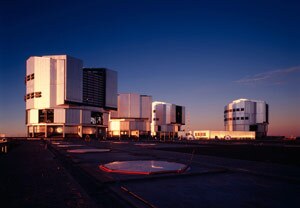
The European Southern Observatory, has three main sites in Chile at La Silla, Paranal, and Chajnantor, for instruments such as the Very Large Telescope (VLT), the partly built Atacama Large Millimeter Array (ALMA), and the newly completed Vista telescope.Through a message on the ESO website, the staff expressed their deepest condolences to the families of the victims and sympathy and support for all those affected by the earthquake.No casualties among ESO staff occurred but power cuts and network interruptions were impacting communications from the telescopes to the outside world. The largest outrage happened at the La Silla Paranal Observatory, the southern-most telescope among the facilities, which lost power for 10 minutes.Astronomers who were scheduled to visit ESO were asked to put their trips on hold until further notice, and were encouraged to remotely control the telescopes over the internet."Despite being the 7th strongest earthquake ever recorded worldwide, the ESO observatory sites did not suffer any damage,” said Lars Lindberg Christensen, at the ESO headquarters in Garching, Germany, “partly as [the telescopes] are engineered to withstand seismic activity and partly due to their distances from the epicentre.”
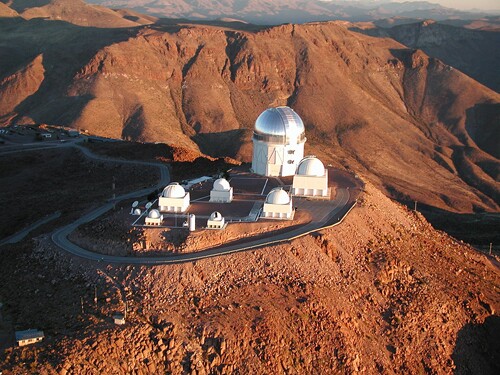
The National Optical Astronomy Observatory’s Cerro Tololo Inter-American Observatory in Chile also survived intact with nearly all the staff and visitors confirmed safe."The effects were strong,’ says a message on the NOAO website, “but no significant damage was registered. Both telescopes and observatory infrastructure are intact with no detected damage. Indeed, observations on the telescopes continued immediately after the earthquake. Minor rock slides on the access road were cleared Saturday morning. Electricity, external telephone, and internet connectivity were lost initially, but internal communications remained stable, allowing operations to continue."It was a similar situation at the Gemini Observatory, “The earthquake disrupted observations on early Saturday morning for less than 30 minutes,” said a press release. “Subsequent operations have been essentially normal with the exception of Internet connectivity."Paul Guinnessy