Kyoto Prize winners are announced
DOI: 10.1063/1.2349739
Among the recipients of this year’s 22nd annual Kyoto Prize are the developer of the Fluorescence Activated Cell Sorter (FACS) and the creator of a statistical-model selection criterion that is finding applications ranging from weather forecasting to image compression.
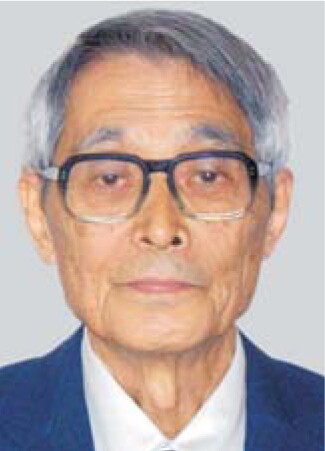
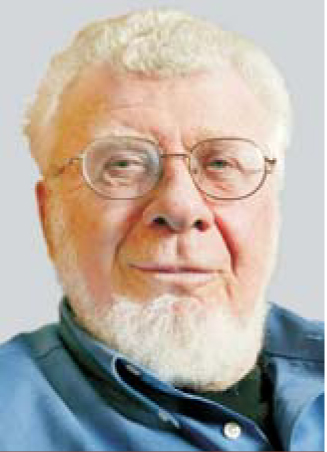
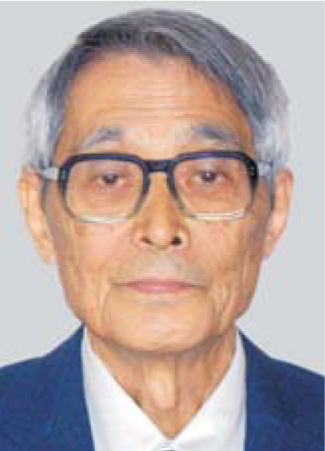
Leonard A. Herzenberg and Hirotugu Akaike will collect their awards during a November ceremony in Kyoto, Japan. They will also receive a diploma, a 20-karat Kyoto Prize medal, and a cash gift of ¥50 million (approximately $446 000), according to the Inamori Foundation of Japan, which sponsors the prize. The Kyoto Prize is Japan’s highest private award for lifetime achievement, presented to individuals and groups worldwide who have contributed significantly to humankind’s betterment.
Herzenberg, a professor emeritus of genetics at Stanford University, won in the advanced technology category “for his outstanding contributions to life sciences and clinical medicine through his work in developing the FACS, a flow cytometer that has had a profound impact on medical science, diagnostics and the field of regenerative medicine.” FACS has made it possible to rapidly count and sort cells with specific attributes, and isolate and analyze DNA, RNA, and protein from a single cell in a viable condition, out of an estimated 60 trillion cells in the human body.
Akaike, professor emeritus in the statistical science department and the Graduate University for Advanced Studies at the Institute of Statistical Mathematics in Tokyo, won in the basic-sciences category “for his contributions to statistical science and modeling through his development of the Akaike Information Criterion (AIC).” The AIC is a criterion for the selection of statistical models; since Akaike formulated it in the 1970s, it has become important in the development of the information and statistical sciences, wrote the foundation. The AIC is built into commercial statistical software packages and is widely used in gene analysis, image compression technologies, and vehicle stability-control technologies. It is increasingly important in understanding and forecasting phenomena in economic-related fields, including finance and insurance; safety-related fields ranging from pharmaceuticals to food and transportation; natural phenomena such as weather, natural disasters, and the environment; and the management of huge systems.

Herzenberg
COURTESY INAMORI FOUNDATION


Akaike
COURTESY INAMORI FOUNDATION