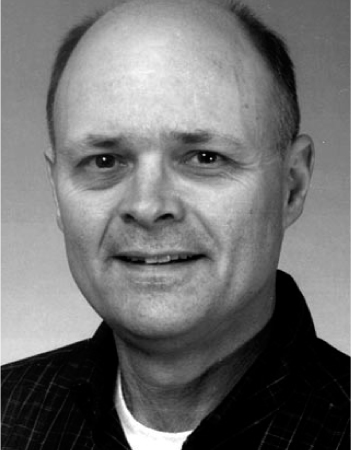
Carter Will Lead ACA in 2002
DOI: 10.1063/1.1366077
Charlie Carter, a professor of biochemistry and biophysics at the University of North Carolina at Chapel Hill, took office as vice president of the American Crystallographic Association this past January. He will become president in 2002, succeeding William C. Stallings, a researcher at Pharmacia in Chesterfield, Missouri.
“The coming decade will likely witness explosive growth of macromolecular structures,” says Carter, because of the number of groups working on the human genome project. A new challenge for ACA, he adds, is balancing the needs of the growing number of biological crystallographers with materials science and small molecule groups.
Carter earned his BA in molecular biophysics from Yale in 1967, and went on to get an MS in chemistry and a PhD in biology from the University of California, San Diego. After a postdoctoral year at Cambridge University, he joined North Carolina’s School of Medicine, where his research has focused on the enzyme mechanisms associated with protein and ribonucleic acid (RNA) interactions.
In other ACA election results, Doug Ohlendorf, a professor of biochemistry at the University of Minnesota, Twin Cities, took office in January for a one-year term as ACA treasurer. On the communications committee, John Sack of Bristol-Myers Squibb and Jeanette A. Krause-Bauer, the director of crystallographic services at the University of Cincinnati, took office for three- and four-year terms respectively. And on the education committee, Winnie Wong-Ng, a research chemist at NIST’s ceramics division, took office for three years, and Phillip E. Fanwick, a chemical crystallographer at Purdue University’s West Lafayette campus, took office for four years.