Entrepreneur Launches Low-Cost Space Rockets
DOI: 10.1063/1.1897560

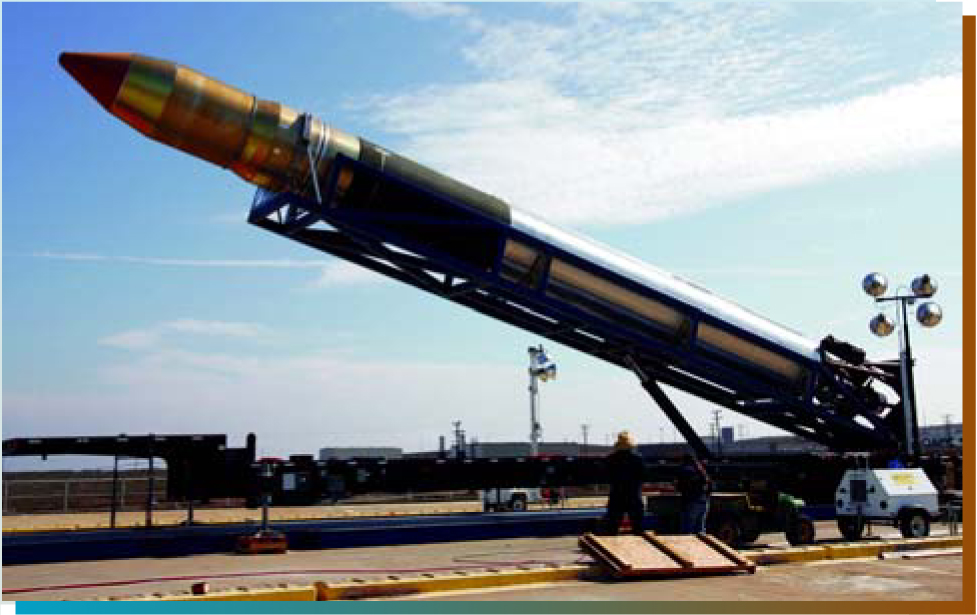
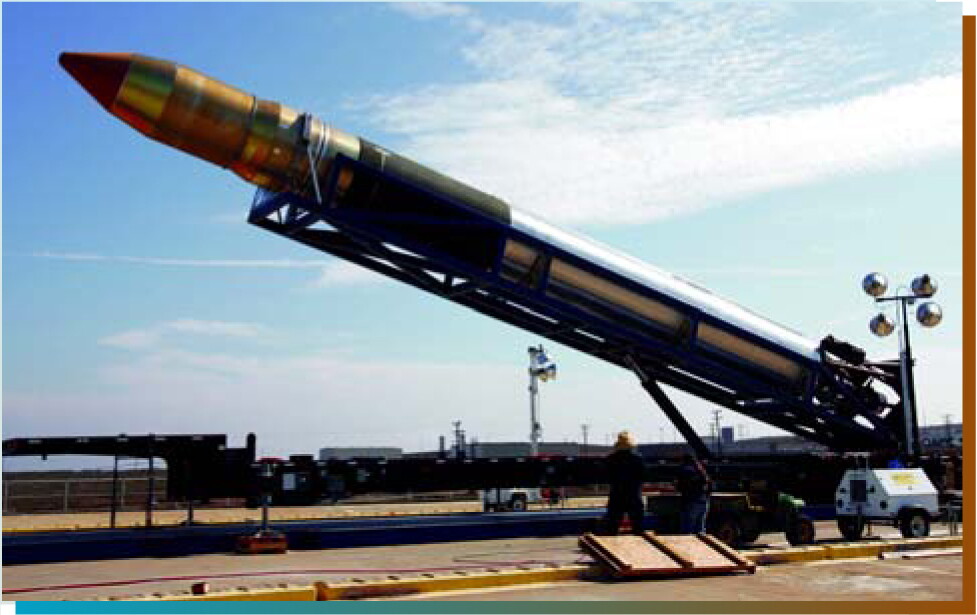
Elon Musk will be keeping his fingers crossed later this month when his latest venture, a low-cost rocket called Falcon I, launches from Vandenberg Air Force Base in California. Musk, a 33-year-old South African former internet entrepreneur who has a physics degree from the University of Pennsylvania, says that launch costs are a major reason why humanity has not yet successfully exploited space. “At the current rate, it will never happen,” he says.
Musk created and bankrolled Space Exploration Technologies Corp (SpaceX) three years ago, after selling his stake in Paypal, the online payment system, to internet auction house eBay for hundreds of millions of dollars. With his first rocket, Falcon I, each launch costs $5.9 million to put a 520-kg payload in low-Earth orbit. A bigger medium-lift rocket, Falcon V, is expected to put payloads in geosynchronous orbit for $15.8 million, compared to $60 million for Boeing’s Delta medium-lift launch rocket.
The cost savings come from reducing the launch team from hundreds of people to 15–20, making the first stage reusable, building most of the rocket in-house, and deploying the latest technologies. Unlike current rockets, Falcon V is designed to be able to lose an engine and still deliver a payload to the correct orbit. SpaceX, based in El Segundo, California, already has signed customers such as the government of Malaysia and the US Department of Defense, and interest from the science community is growing. Researchers from the University of Washington, MIT, and the University of Queensland hope to launch the Mars Gravity Biosatellite on a Falcon in 2007. Musk has received dozens of inquiries from potential customers. “I would be happy if Falcon I achieved a four-to-six launch rate per year. It looks like we will probably do even more launches of Falcon V, once that gets going.”

Falcon I could be the start of low-cost access to space.
SPACEX
More about the authors
Paul Guinnessy, pguinnes@aip.org