Physicists’ role in modern life: Reflections from the Lindau Nobel Laureate Meeting
DOI: 10.1063/pt.lyqe.hjje
At the end of June 2024, 37 Nobel Prize recipients and hundreds of young scientists studying physics or adjacent fields descended on the tiny, idyllic island of Lindau, Germany, on Lake Constance, for the year’s Lindau Nobel Laureate Meeting. The first of these meetings, which hosted seven Nobel laureates and 400 scientists, was held in 1951 in an effort to reintegrate Germany into the global scientific community following World War II. In 1953, young scientists—students and postdocs—were invited to attend as well. The tradition of bringing together Nobel laureates and young scientists has continued every summer since, with the meeting topic switching between the various Nobel Prize categories.

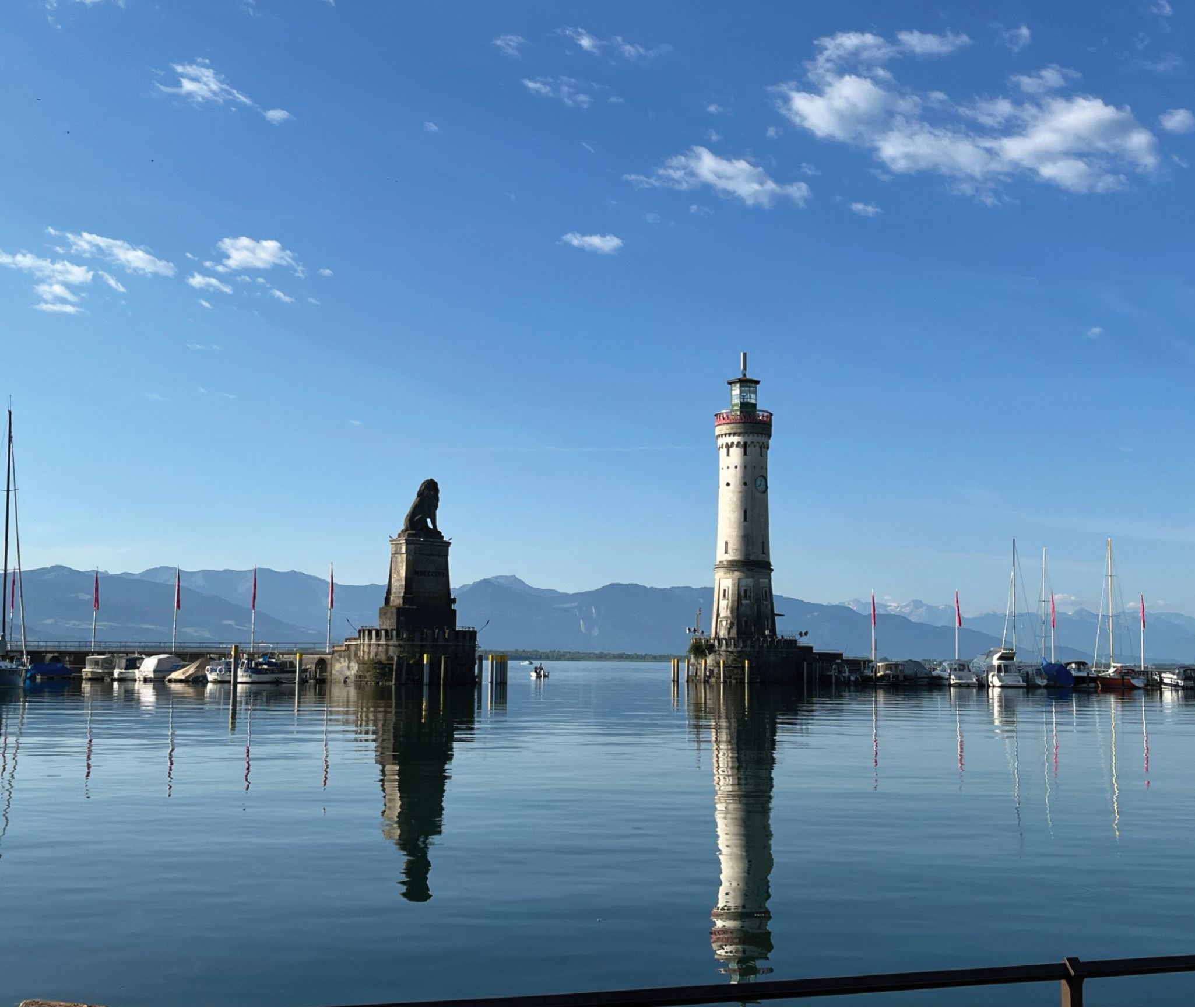
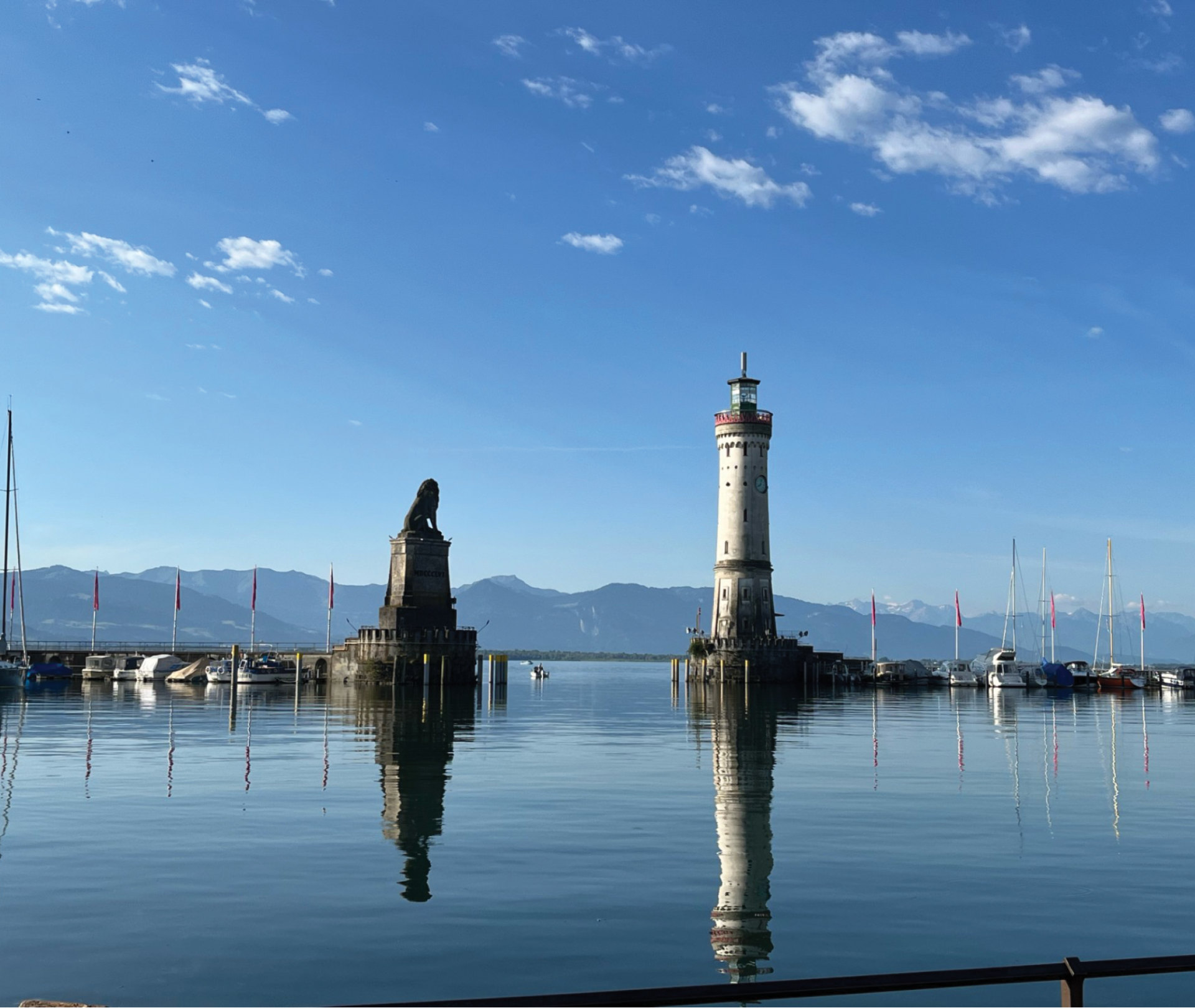
The Lindau Harbor in Germany.
On the itinerary for last year’s weeklong meeting were so-called Agora Talks by one or two Nobel laureates who fielded questions from the audience, short presentations by young scientists, and panel discussions featuring the laureates, the meeting’s industry and academic partners, and young scientists. In addition to the conference-style talks, dinners (some themed) gave the students and postdocs more time to mingle with the laureates and among themselves. During a dinner hosted by Texas A&M University, attendees could try their hand at riding a mechanical bull. There were also opportunities for the up-and-coming scientists to go on a science walk with laureates or to attend a lunch at a restaurant with a Nobelist. The week was capped by the traditional boat trip to the island of Mainau, where the meeting’s host, Bettina Bernadotte, countess of Wisborg, welcomed the group to the sprawling gardens and palace lawn for the week’s concluding events.
The meeting program walked a line between a traditional conference and a quirky and unique celebration of science and scientists. And although lots of fun activities were scheduled throughout the week, serious topics, such as climate change and nuclear proliferation, dominated the talks and conversations. On those important topics, the scientists in attendance seemed divided on the appropriate role of physicists in society.
On one hand, we listened to Nobel laureates declare that funding agencies should allow physicists to pursue fundamental research without any justifying application—a statement that was greeted with enthusiastic applause from the audience. And we heard speakers urge the young attendees to focus their efforts on so-called “useless” physics and work on the science that they find fascinating, regardless of the broader applications and implications that the research might have.
On the other hand, sessions included the unambiguously titled “Physics-Based Solutions to the Energy Challenge” and “The Role of Physics in Solving Global Problems of the 21st Century.” And many of the panels, Agora Talks, and events hosted by governmental, academic, and business partners were centered around discussions of practical applications of physics.
That action-minded stance on the role of scientists was demonstrated on the last day of the meeting, when we witnessed the Nobel laureates in attendance sign the Mainau Declaration 2024 on Nuclear Weapons. The document implores that “all nations must commit to ensuring that nuclear weapons never be used again.” It echoes a plea signed on Mainau Island in 1955 by many of the scientists whose work had made such weapons possible and who sought to limit their discoveries’ devastating effects on humanity. A similar declaration on climate change was signed in 2015, warning about the need for research and action.
The two of us departed this year’s Lindau meeting with more questions than clarity on a fundamental and pressing matter: What responsibility do scientists have both to engage in research aimed at addressing global challenges and to participate in the ongoing conversations surrounding how the work will be used to shape our global community in the coming decades?
More about the authors
Miriam Hiebert, (mhiebert@umd.edu) University of Maryland, College Park.
Kathryn Sturge, (ksturge@umd.edu) University of Maryland, College Park.